
Learning Through Play: Why Play Matters in Preschool
When you walk into a preschool classroom at Galaxy Ranch Private School, you’ll see blocks scattered across the carpet, tiny hands stirring pretend soup in the play kitchen, children painting at easels, and others completely absorbed in building elaborate train tracks. To the untrained eye, it may look like simple play—but play is exactly where the deepest learning happens.
Preschoolers make sense of the world by experimenting with it. When children pour water from one cup to another, they are absorbing early math and science concepts. When they dress up as firefighters, chefs, or veterinarians, they’re practicing storytelling, early literacy, and social skills. Even something as simple as stacking blocks turns into an opportunity to explore balance, gravity, problem-solving, and persistence. These experiences engage the whole child—mind, body, and imagination—in a way that no worksheet ever could.
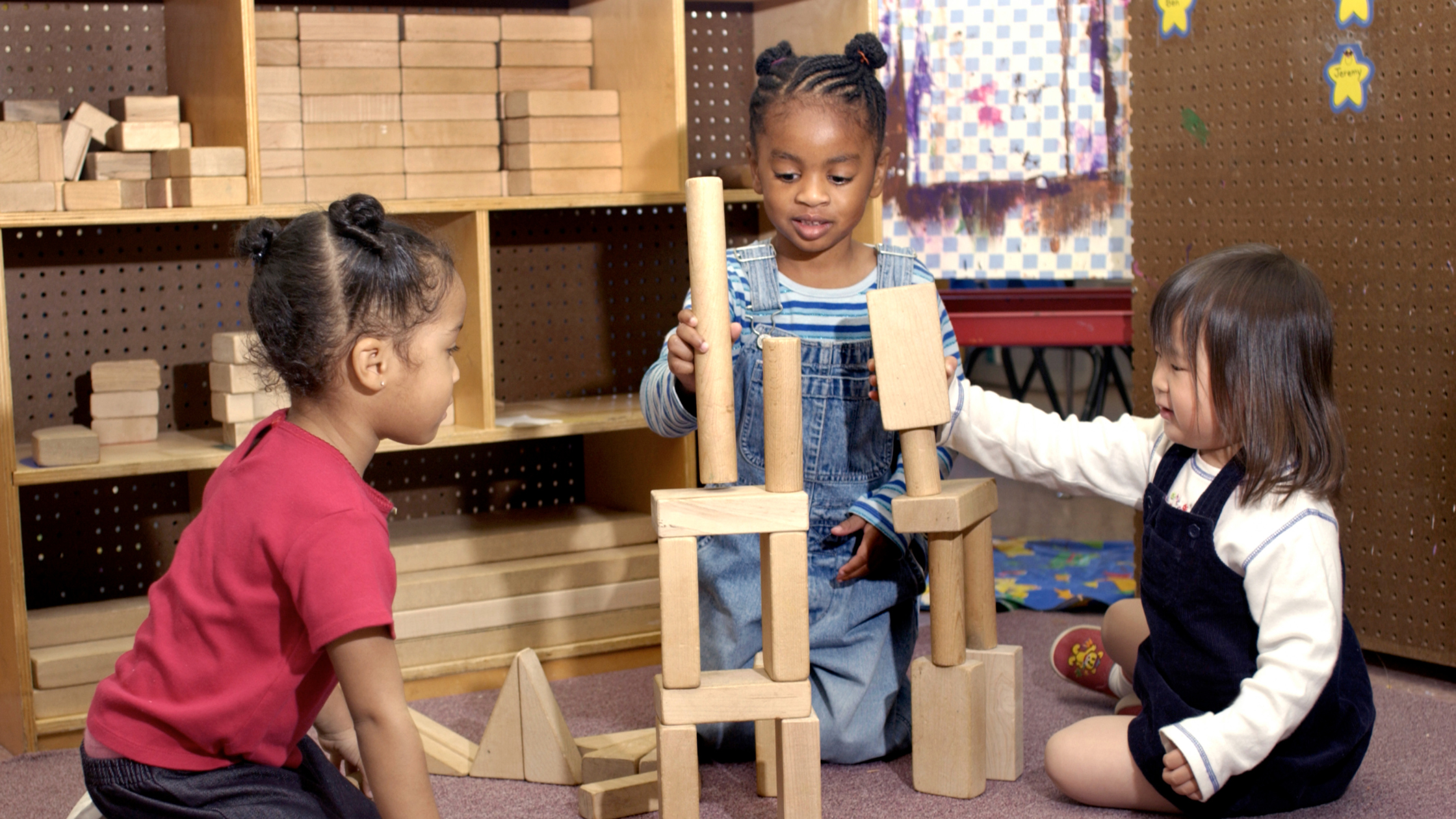
Play also helps children strengthen the skills they need long before formal academic learning begins. Conversations that unfold during pretend play support language development and vocabulary growth. Outdoor play builds coordination and physical confidence. Cooperative games and shared materials teach children how to negotiate, take turns, and resolve conflict. Through play, children learn to express ideas, communicate with peers, navigate emotions, and develop empathy—all essential foundations for school readiness.
What makes play even more powerful is that children are intrinsically motivated to do it. When learning is enjoyable and meaningful, children develop positive associations with school and approach challenges with curiosity. At Galaxy Ranch, we see this every day: the child who sticks with a tricky puzzle until every piece fits, the preschooler who proudly shares the story behind their painting, or the toddler who giggles as they discover a new texture in the sensory bin. These moments may seem small, but they build the confidence and joy that fuel future academic success.
Play is not a break from learning—it is learning. It is how children discover themselves, understand others, and make sense of the world around them. And when children feel safe, supported, and free to explore, their capacity to learn becomes limitless.